;)
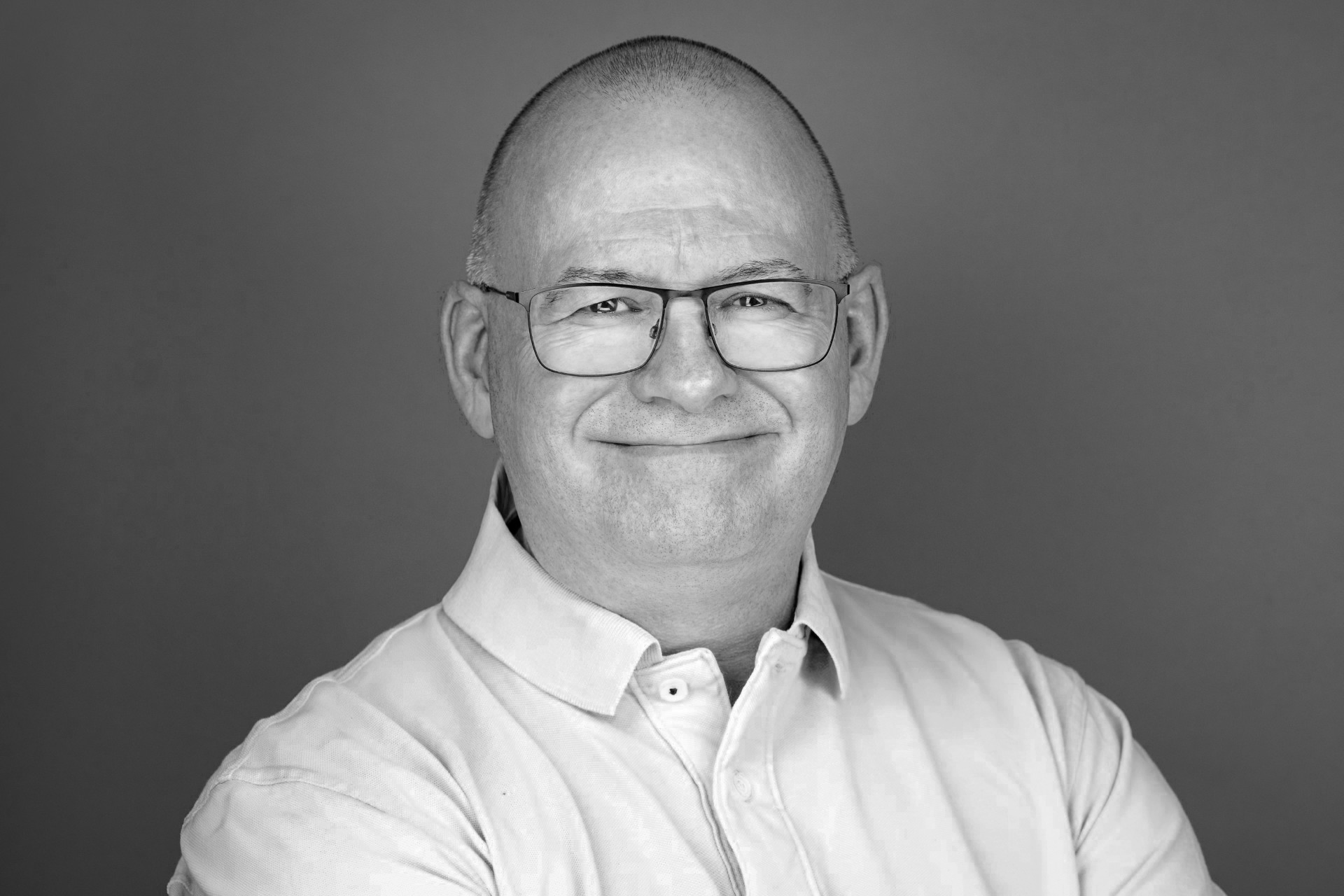
Meet Alun Bedding, PhD
Adnovate Clinical recently explored how the FDA’s 2026 draft guidance has moved Bayesian methods from a less common statistical approach in primary efficacy decisions to a legitimate basis for primary efficacy decisions. In your view, what is the biggest misconception sponsors still have about using Bayesian methods in pivotal development programmes, and what separates organisations that implement them successfully from those that struggle?
Too many think Bayesian methods are all about the prior or incorporating information that was not collected during the trial. This is a misconception. In fact, one of the biggest advantages of Bayesian methods is to do with unknown quantities having probability distributions and leading to probability statements being more natural. There is also this misconception that they will not be accepted by the health authorities. Now it is true that we still live in a Frequentist world, but Bayesian methods can provide just as good, if not better decision making. It is all about matching the method with the explanation. Those organisations who do this well are good at explaining how Bayesian methods can be used well and describing the Frequentist operating characteristics.
In that same article, Adnovate Clinical discussed how Bayesian methods often deliver the greatest value in the most challenging development settings—rare diseases, platform trials, and studies with limited patient populations. Yet these same programmes frequently face the highest evidentiary burden. How do you see leading organisations balancing innovation with regulatory confidence over the next five years?
I offered in my last answer that too many think that Bayesian is all about the prior. That was in no way to dismiss the use of prior information. In rare diseases the use of historical data is critical as recruitment to a large trial may not be possible, and it would help with recruitment for those diseases.
Where I would like to see more sponsors being bolder is using platform trials in Phase 3. Right now, platform trials are only used in Phase 2. If sponsors could get together to collaborate on a platform trial for an unmet need, just think how good would that be for patients.
Throughout your career, you’ve been involved in some of the industry’s most innovative approaches to evidence generation. When you look at development programmes that succeed versus those that struggle, what are the most common misconceptions teams have about clinical trial design and decision-making?
One of the biggest misconceptions is that the regulatory authorities won’t accept it. The number of times I have heard this with adaptive trials, yet when you talk to health authorities, they are more than happy to discuss design. What they don’t like is badly thought-out designs. In some areas they are learning as well. I remember when adaptive designs were seen as novel and at an FDA meeting a regulator stood up and said please come and talk to us about it, as we are learning too.
The other misconception or thing we have to consider, is what I mentioned about bringing the patient into the room. I am not sure it is a misconception, more of a limitation, but when designing a trial or making a decision I always ask the question “what would the patient say if they were in the room?”. This shift in paradigm is incredible, and brings about much more informative drug development programs.
Over the last two decades, we’ve seen adaptive designs, Bayesian approaches, and platform trials move from the margins toward the mainstream. Looking back, which methodological shift do you believe has had the greatest impact on drug development—and which emerging approach do you think is still underestimated?
That is a great question, and I don’t think you can point to any one innovation. What has had a big impact recently is the use of Estimands. This has led to the better specification of the desired treatment effect, and the target population. This is crucial for regulatory approval, as it aligns the trial design, statistical analysis, and interpretation with the overall study objectives. This has led to much better alignment. Outside of the regulatory setting, Estimands play an important role in early drug development, and far from stifling innovation, they lead to more of it.
Many of the most exciting opportunities in immunology and rare disease now involve increasingly complex therapies, smaller patient populations, and greater biological stratification. Do you think our current clinical development paradigms are fit for purpose, or are we approaching an inflection point that requires fundamentally different trial models?
I do think we need to start thinking outside the box in these areas, and also challenging the regulators. Instead of looking at what we have always done, try to challenge the status quo. Is there something we could do to accelerate development, to bring a medicine to patients quicker? This is so key in unmet medical needs. We also need to start bringing the patient in the room. Having worked with patient advocacy groups, I know that in some cases patients won’t go on a clinical trial if there is a high chance of them getting placebo. This can hold back recruitment. From a statistical perspective unequal numbers lower the power, but is that not better than not completing the trial due to poor recruitment? They are still so many interesting debates to be made here.
You’ve worked at the forefront of clinical development methodology for many years and have seen several waves of innovation come and go. What continues to excite you most about the field today?
The field of master protocols, including basket and platform trials still excites me as I don’t think we have in any way explored what is possible. For example, there is still much debate about concurrent controls in a platform trial or about what happens if the comparator arm changes due to a change in standard of care. There is also the question about what the ideal number of arms in a platform trial is, and when should a platform trial be terminated. I am sure there are many other challenges it might contribute to, and would be curious to uncover what answers this field could offer.
Outside of formal training, what’s something you learned early in your career that you still rely on today?
The one thing that is absolutely critical is having support through good coaches and mentors. They can help with the non-technical part of your development. Seven years ago I trained as an executive coach and have over my career had a number of coaches and mentors. Not only do I still have a coach but I still coach myself, and I still have multiple mentors. Without a coach and mentor I would not be the statistician I am today.
You may also be interested in…