
;)
“Clinical operations isn’t just an execution function—it’s a strategic one.”
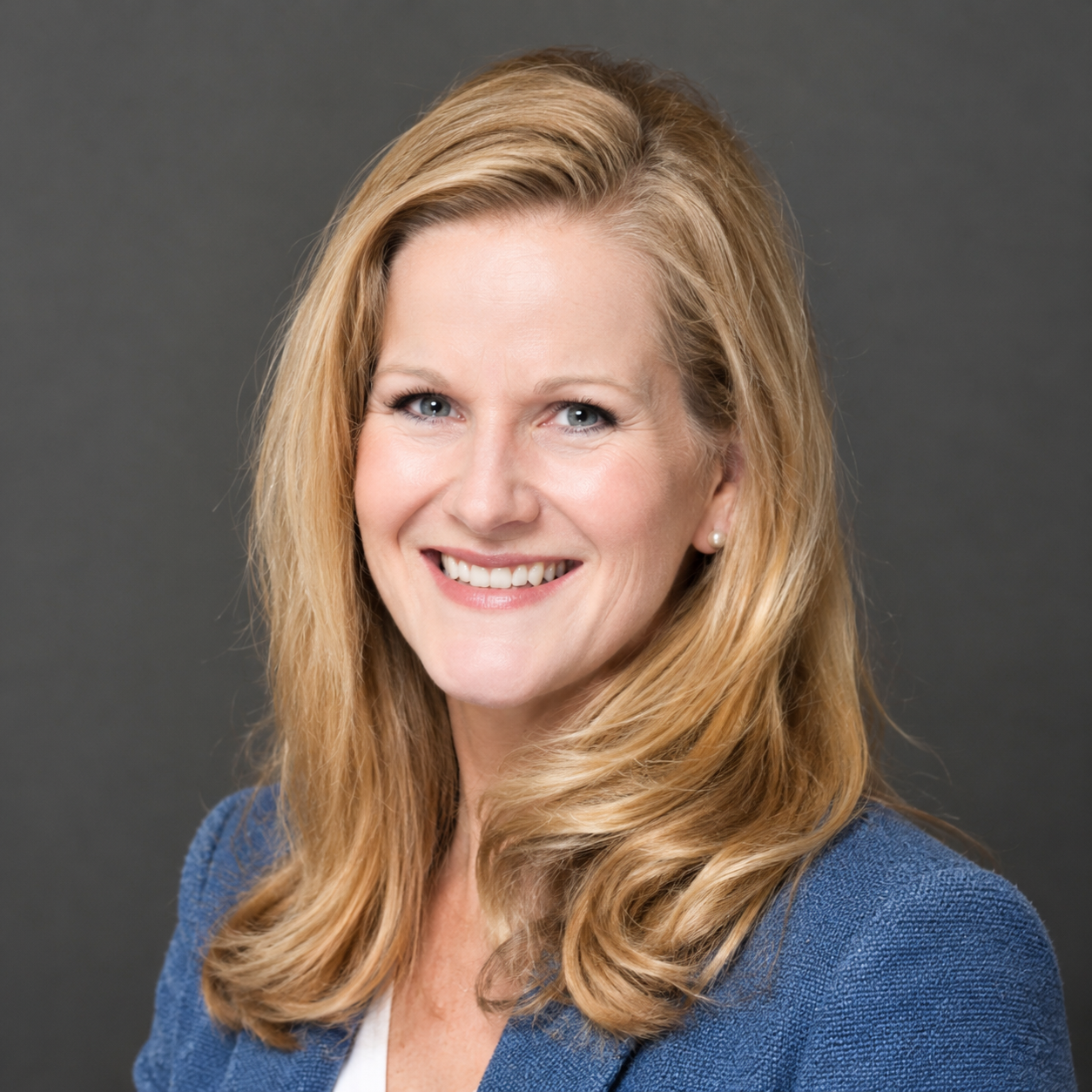
Meet Katie George
Katie George is a Clinical Operations leader and consultant with more than 30 years of experience across pharmaceutical companies, biotech and CROs. She has led global Phase I–IV clinical programmes, including pivotal trials, across a broad range of therapeutic areas, with particular experience in rare disease and complex early-phase development.
Throughout her career, Katie has worked with organisations ranging from global pharmaceutical companies such as Pfizer and Roche to emerging biotech companies, giving her a broad perspective on what it takes to translate clinical strategy into successful execution.
Her expertise spans clinical operations leadership, study and portfolio delivery, CRO and vendor oversight, operating model development, inspection readiness, and operational turnaround. She is particularly passionate about building strong teams and creating the clarity, accountability, and trust needed to deliver complex programmes under pressure.
Today, Katie brings that experience as a consultant with Adnovate Clinical, supporting emerging companies as they navigate the practical challenges of clinical development.
You’ve worked across CROs, pharma, biotech and consultancy. What does each environment teach you that the others don’t?
Working across CROs, pharma, biotech and consultancy has given me a 360-degree view of drug development.
CROs teach you how execution really works. You learn how studies are priced, how teams are resourced, and how operational pressure feels when you’re accountable to multiple sponsors at once. You also see clearly what motivates CRO teams, what slows them down, and importantly, how the tone set by a sponsor directly affects performance. My time in a CRO taught me that respect and partnership are not “nice to haves”; they’re operational necessities. People won’t go the extra mile for you if they don’t feel valued.
Biotech, especially early-stage, teaches you pace, agility and ownership. Often clinical operations are a small team, so you need breadth of experience, strong communication, and a deep understanding of CRO culture to make things happen. You’re closer to the science, closer to the risk, and closer to the consequences of every decision. It forces you to be decisive with sometimes imperfect information and to innovate rather than default to process.
Pharma teaches you structure, governance and long-term thinking. You see how mature organisations manage complexity, scale, and compliance. You learn how to navigate cross-functional decision-making, how to build robust systems, and how to maintain quality at pace. Pharma gives you discipline; biotech gives you speed.
Consultancy is where all of that experience converges. To be effective as a consultant, you need the pattern recognition that only comes from having seen what works, what doesn’t, and why. You take the best elements from each environment—CRO pragmatism, biotech agility, pharma rigour—and apply or adapt them to help clients move faster and make better decisions. Consultancy teaches you influence without authority, clarity of thought, and how to deliver value quickly.
Across all these environments, the biggest lesson is that success is built on partnership. Whether you’re the sponsor, the CRO, or the consultant, people work harder for you when they feel respected, included, and treated as part of the same team.
You’ve seen clinical development change dramatically. What is one thing that has genuinely improved—and one thing the industry still gets wrong?
Clinical development has changed enormously over the course of my career, and there are areas where the industry has genuinely evolved—and others where we still repeat the same mistakes.
What has genuinely improved
The transformation of clinical data management has been remarkable. I started with paper CRFs and manual double data entry; moving to EDC was a step change, but the real revolution has come from modern data-driven tools—AI-enabled risk-based quality management, clinical data oversight platforms, and real-time visualisation. These systems give us immediate insight into risk, quality, and emerging signals, and they create a clear inspection-ready evidence trail. They’ve fundamentally changed how we monitor studies and make decisions.
Standardisation has also improved. The DIA TMF Reference Model has brought consistency and predictability to trial master file structure across organisations.
What the industry still gets wrong
Site feasibility remains one of the most inefficient and unreliable processes in clinical development. CROs often claim deep site knowledge, but institutional memory rarely survives turnover. The default becomes generic feasibility questionnaires—slow, costly, and frequently ignored by sites. Many questionnaires land in spam folders, reach the wrong person, or simply feel like noise to already-overloaded sites.
The result is feasibility data that is often incomplete or inaccurate. I’ve found that early, direct engagement—verbal discussions or face-to-face conversations with the right site personnel—produces far more reliable projections and builds trust from the outset. Some CROs are improving this process, but it still needs meaningful refinement.
Protocol development is another area where the industry still stumbles. Operational input often arrives too late, and insufficient critical thinking goes into assessing site burden and participant burden. “Nice-to-have” procedures can accumulate, which makes protocols unnecessarily complex and difficult to execute. Clinical operations must be involved from the very beginning to ensure the design is feasible, patient-centric, and operationally sound.
What are the warning signs that a clinical programme is heading off track—and how early can you usually see them?
You can usually see a clinical programme drifting off track far earlier than people expect. The warning signs appear in patterns—small delays, repeated friction points, or behaviours that indicate loss of momentum. They start well before recruitment commences.
Early warning signs (during start-up)
Instability in start-up is one of the strongest predictors of downstream issues. When multiple small delays begin to cluster, it’s rarely random. Typical early indicators include:
- Contracting delays or prolonged budget negotiations
- Slow site activations, often driven by essential document collection problems
- High volumes of SIV questions, signalling unclear processes or insufficient site readiness
- Ethics or regulatory submissions requiring repeated follow-ups
- Late escalation of issues, suggesting weak governance or communication gaps
- CRO/vendor missed deliverables, resourcing issues, or team friction
Individually these may seem minor, but together they show a loss of momentum—and momentum is everything in start-up. If it’s shaky before FPI, it rarely stabilises on its own.
Warning signs during conduct
Once the study is live, the indicators become more visible and more quantifiable:
- High screen failure rates
- Recruitment milestones consistently missed
- Delayed or incomplete data entry
- Growing query backlogs
- Reduced site engagement or slow site responsiveness
- Limited access to reliable metrics
- Slow decision-making or unclear ownership
These are the classic symptoms of a programme struggling to maintain pace, clarity, or operational control.
Strong governance, early operational input, and continuous monitoring are what will keep a programme on track.
You’ve worked with both emerging biotech companies and large pharmaceutical organisations. What do you wish more biotech founders understood about clinical operations?
Having worked within both emerging biotechs and large pharma, the biggest thing I wish more biotech founders understood is that clinical operations isn’t just an execution function—it’s a strategic one. The success of a programme depends heavily on how early and how seriously Clin Ops is brought into the conversation.
First, trust and empowerment matter. Clinical operations needs genuine support from the C-suite. When founders set unrealistic timelines or dismiss operational risks, it creates avoidable pressure and ultimately slows the programme down. Speed and quality are absolutely achievable, but only when Clin Ops is treated as a partner rather than a downstream implementer.
Second, Clin Ops needs a seat at the table from day one. Good Clinical Practice starts with first-in-human, not first-patient-in. Early operational input shapes protocol feasibility, site burden, patient burden, vendor strategy, timelines, and risk planning. Bringing Clin Ops in late almost guarantees rework, delays, and unnecessary complexity.
Third, projections and risks are not pessimism—they’re reality. Founders often underestimate how long certain activities take or how many dependencies exist. When Clin Ops flag risks or push back on timelines, it’s not resistance—it’s experience. Listening early prevents escalation later.
In short, the best biotech founders understand that strong clinical operations is not a cost centre or a delivery arm, it’s a strategic safeguard. Empower the team, involve them early, and trust their judgement, and the entire programme moves faster with fewer surprises.
You’ve been described by colleagues as both decisive and supportive. How do you balance holding people accountable with creating an environment where they can do their best work?
Balancing decisiveness with support starts with genuinely knowing your team. In a largely remote world, you can’t rely on casual office interactions, so you have to be intentional. Regular 1:1s, open conversations, and occasional face-to-face time help you understand people’s working styles, cultural backgrounds, and what motivates them.
From there, consistency and transparency become the foundation. When people know how you communicate, how you make decisions, and that you follow through reliably, trust builds quickly. Trust is what allows you to hold people accountable without creating fear.
I focus on creating a culture of autonomy with a safety net. I set clear expectations, give people space to deliver, and stay close enough to support them when things don’t go to plan. Accountability isn’t about blame; it’s about growth, clarity, and shared ownership. When someone succeeds, I make sure it is recognised; when someone struggles, we work through it together.
Ultimately, people do their best work when they feel respected, empowered, and safe to take ownership. If you build trust, communicate openly, and celebrate progress, you can be both decisive and supportive, and your team will feel confident stepping up and asking for help when they need it.
What advice would you give to someone starting their career in clinical operations today?
My biggest piece of advice is simple: ask questions—early and often. There is no such thing as a stupid question when you’re starting out. If something doesn’t make sense, you can be sure others are wondering the same thing. Asking questions shows curiosity, critical thinking, and a willingness to learn, which are essential in clinical operations.
Learn broadly. Clinical operations touches every part of drug development, so take the time to understand how other functions work—data management, regulatory, safety, biometrics, medical writing. I started my career in Data Management before becoming a CRA, and that foundation has been invaluable throughout my career. The more you understand the ecosystem, the more effective you’ll be.
Be willing to roll up your sleeves. Offer help, even when it’s outside your job description. Not only does it build your skill set, but it also builds relationships—and there will be moments when you need those relationships to get a study through a difficult phase.
Expect setbacks and use them well. Things won’t always go to plan, and you will receive tough feedback at times. Accept it, reflect on it, and iterate your approach. Growth in clinical operations comes from how you respond when things get challenging.
Finally, find a mentor. A good mentor will invest time, share their experience, and help you navigate the complexities of the industry. None of us work forever, and strong leaders are always looking to develop the next generation.
Clinical operations is a career built on curiosity, resilience, collaboration, and continuous learning. If you embrace those qualities early, you’ll thrive.
What does “good clinical operations leadership” actually look like when the pressure is on?
When the pressure is on, good clinical operations leadership is about clarity, prioritisation, and calm execution. You have to keep your focus on the bigger picture, what truly moves the programme forward, and avoid getting pulled into every minor issue. If you stay out of the weeds, you’re far better positioned to spot risks early and mitigate them before they escalate.
Strong leadership also means building a trusted team and ensuring work is allocated to the right subject-matter experts. People perform at their best when they’re empowered, resourced appropriately, and supported. Under pressure, that structure becomes essential.
Accountability matters, but finger-pointing is counterproductive. It demotivates teams and erodes trust. If something goes wrong, I address it directly and privately, focusing on learning and improvement rather than blame. None of us are perfect, and pressure amplifies that reality.
Ultimately, good clinical operations leadership under stress is about maintaining momentum, supporting your team, and creating an environment where people feel confident taking ownership because they know you’re right there with them, guiding, supporting, and clearing obstacles so they can deliver.
And finally: after 30 years in clinical research, what are you most proud of?
After 30 years in clinical research, what I’m most proud of falls into two categories: the teams I’ve been part of and the integrity with which we’ve delivered our work, whether the outcome was positive or not.
I’m immensely proud to have contributed to high-performing teams that delivered first-in-class medicines including Celsentri and Tysabri. I recently reunited with the Tysabri team, many of whom I hadn’t seen in over a decade, and it reminded me how exceptional leadership, trust, and shared purpose can enable a team to achieve what feels impossible.
I’m equally proud of my work on a Phase 3 programme that ultimately read out negative. It was devastating for the company and for the patient community, especially in an indication with no approved treatments. Yet the trial was executed so rigorously that the results were clear and conclusive, no “what ifs,” no ambiguity. That level of operational excellence made an incredibly difficult decision to terminate the programme easier and ensured the science was respected. As a company, we felt a responsibility to the community to share what we learned. The study was published in The Lancet Child & Adolescent Health in August 2026, and I’m acknowledged in the publication. I’m proud of that—not because of the recognition, but because transparency matters. Patients, families, and advocacy groups deserve to know that their contribution was meaningful, even when the outcome isn’t what we hoped for. And the industry needs more of this openness so future studies can improve.
So what I’m most proud of is not just the approvals or the milestones—it’s the commitment to doing things properly, honouring the patients who put their trust in us, and working with teams who consistently rise to the challenge.
